Discover the History of Białystok
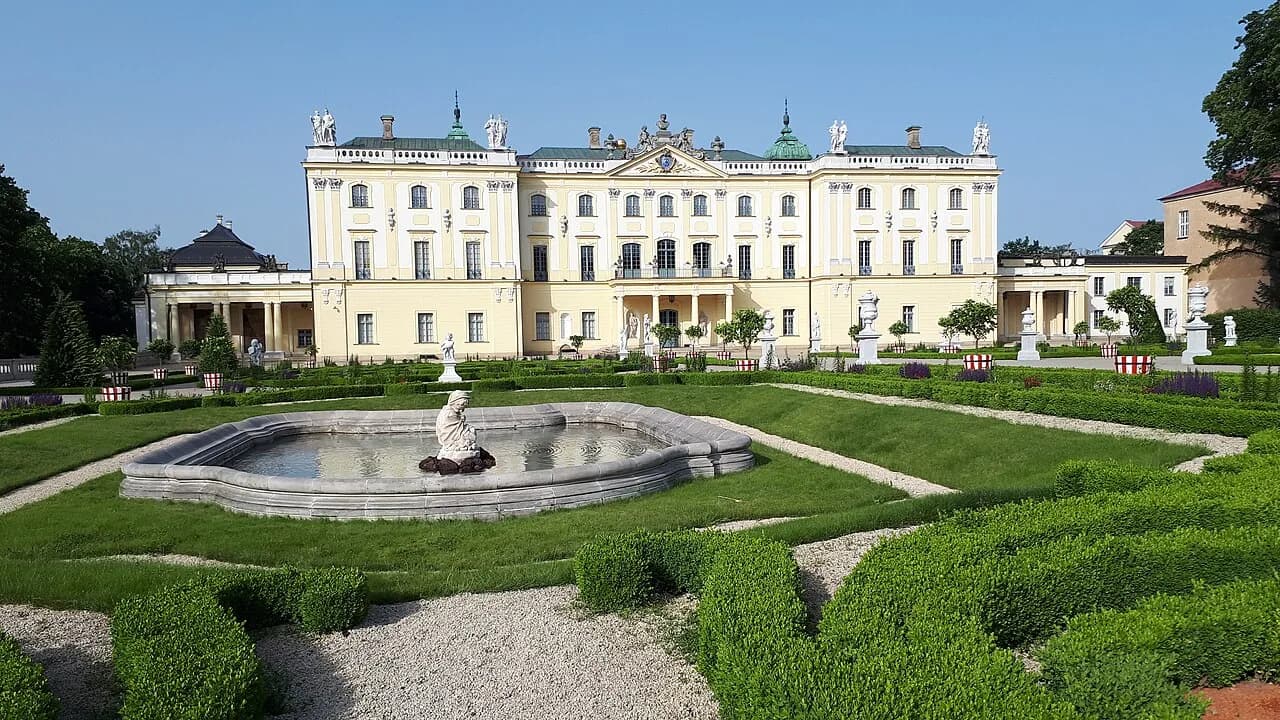
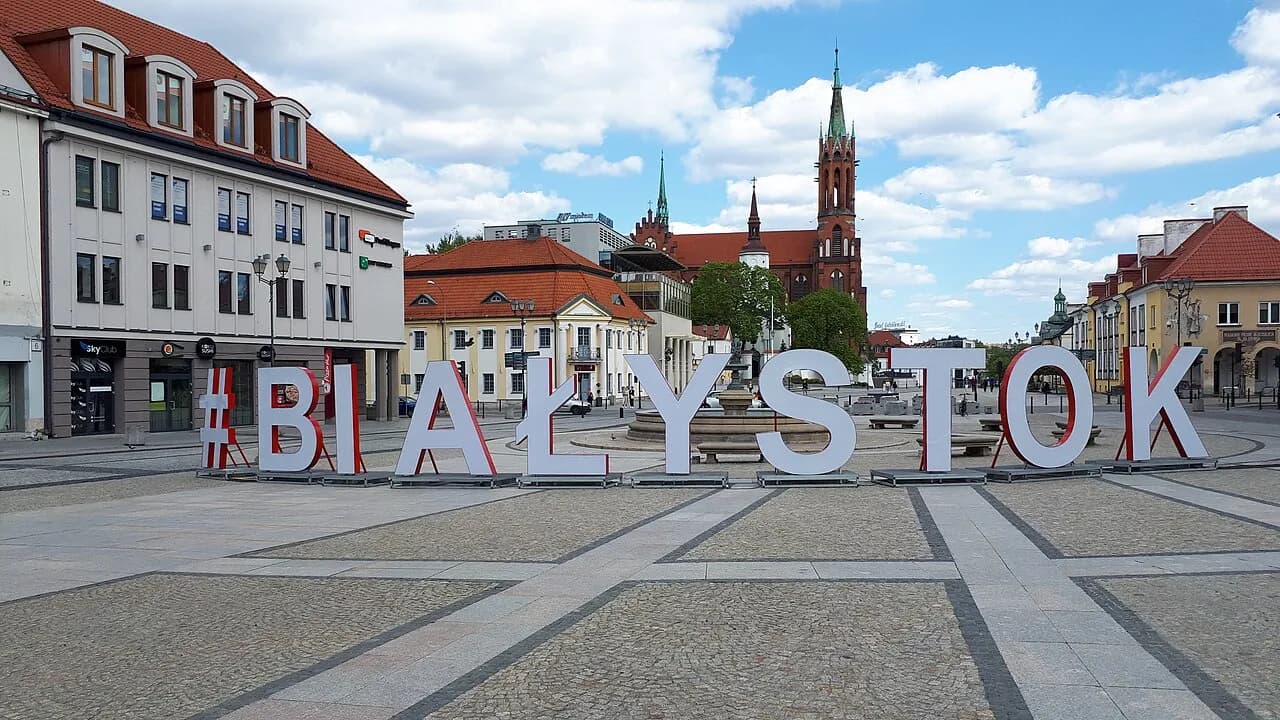
Stand in the gardens of Branicki Palace on a sunny afternoon and it is easy to understand why Białystok is often called the "Versailles of Podlasie." Elegant Baroque architecture, perfectly landscaped avenues and leafy parks create an atmosphere that feels both grand and welcoming. Just a short walk away, Kościuszko Market Square buzzes with cafés, restaurants and local life, while church towers and historic buildings tell the story of a city shaped by centuries of change.
Today, Białystok is the largest city in northeastern Poland and the capital of the Podlaskie Voivodeship. It is a place where Polish, Belarusian, Jewish, Lithuanian and Tatar influences have combined over generations to create one of the country's most distinctive cultural identities. Visitors come for its architecture, green spaces and thriving arts scene, but they soon discover that the city's greatest attraction is its remarkable history.
The history of Białystok is one of resilience and reinvention. From a medieval noble settlement to an aristocratic residence, from a booming industrial centre to a modern university city rebuilt after war, Białystok has continually evolved while remaining proud of its multicultural roots.
The Origins of Białystok
Long before the city appeared on maps, people lived in this fertile region surrounded by forests and rivers. Archaeological discoveries confirm human settlement dating back to the Stone Age, making this one of Poland's oldest continuously inhabited areas.
The first written record of Białystok dates to 1426, when Grand Duke Vytautas of Lithuania granted the settlement, then known as Bielszczany Stok, to local nobles. At the time, the area formed part of the Grand Duchy of Lithuania, reflecting the rich and often complex history of the borderlands that now make up northeastern Poland.
During the following centuries, ownership passed between several influential noble families, including the Raczko-Tabutowicz and Wiesiołowski families. Following the Union of Lublin in 1569, the settlement became part of the Polish Crown within the Polish-Lithuanian Commonwealth, opening a new chapter in its development.
Although still relatively small, Białystok occupied an important position on regional trade routes connecting central Europe with the east, laying the foundations for its future prosperity.
How the Branicki Family Transformed Białystok
No family left a greater mark on the city than the Branickis.
When Grand Crown Hetman Jan Klemens Branicki chose Białystok as his principal residence during the eighteenth century, he set about transforming a modest provincial town into one of the finest aristocratic centres in the Polish-Lithuanian Commonwealth.
Inspired by the great royal residences of Europe, Branicki commissioned architects, sculptors, artists and landscape designers to create a city worthy of the country's leading noble family. Wide streets were laid out, elegant public buildings appeared and carefully designed gardens framed an extraordinary new palace.
The result was Branicki Palace, still regarded as Białystok's greatest landmark and one of the finest examples of Baroque architecture in Poland.
Known as the Versailles of Podlasie, the palace became a centre of political life, culture and education. Distinguished visitors, artists and scholars travelled here from across Europe, helping establish Białystok as an important intellectual and cultural destination.
Today, the palace remains at the heart of city life. Rather than serving only as a museum, it houses the Medical University of Białystok, meaning students continue to study within one of Poland's most remarkable historic buildings. The surrounding French-style gardens remain among the city's favourite places for residents to relax throughout the year.
Although municipal privileges had been granted earlier by King John III Sobieski, Białystok's city rights were officially confirmed by King Augustus III in 1749, cementing its growing importance.
Białystok Becomes the "Manchester of the North"
The nineteenth century brought another dramatic transformation.
Following the Partitions of Poland, Białystok became part of the Russian Empire. While political circumstances changed, the city's economy flourished thanks to industrialisation.
Its strategic location, expanding railway connections and access to eastern markets encouraged rapid investment in textile manufacturing. Factory chimneys soon dominated the skyline as entrepreneurs established mills producing cloth and other textiles on an industrial scale.
By the end of the century, more than 230 factories operated across the city, employing thousands of workers and attracting new residents from throughout the region.
This extraordinary industrial success earned Białystok the nickname "Manchester of the North," drawing comparisons with Britain's famous textile capital.
Many former factory buildings still stand as reminders of the city's industrial heritage, even as they find new uses in modern Białystok.
A City Built on Many Cultures
One of the defining features of Białystok has always been its diversity.
For centuries, Poles, Jews, Belarusians, Russians, Germans and Tatars lived side by side, creating a unique cultural landscape unlike almost anywhere else in Poland.
Different languages could be heard in the streets, while churches, synagogues and Orthodox places of worship stood within walking distance of one another. This mixture of traditions shaped local cuisine, commerce, architecture and everyday life.
The Jewish community played a particularly significant role in the city's development. By 1939, Jewish residents made up around 40 per cent of Białystok's population of approximately 100,000 people. The city became an important centre of Jewish education, publishing, commerce and religious life.
Białystok is also internationally recognised as the birthplace of Ludwik Lejzer Zamenhof, creator of the Esperanto language.
Born here in 1859, Zamenhof believed that a common international language could help bridge cultural differences between communities living together. His vision reflected the multicultural environment of nineteenth-century Białystok, and today visitors can explore his legacy at the Ludwik Zamenhof Centre in the city.
Modern Białystok continues to celebrate this heritage through cultural festivals, educational programmes and historical exhibitions.
War, Tragedy and Remarkable Recovery
Like much of Poland, Białystok suffered enormously during the Second World War.
German occupation between 1941 and 1944 brought widespread destruction to both the city's buildings and its people. The Białystok Ghetto became one of the largest in occupied Poland, where tens of thousands of Jewish residents were imprisoned before being murdered in extermination camps or during mass executions.
The courageous Białystok Ghetto Uprising of August 1943 remains one of the most significant acts of Jewish resistance during the Holocaust.
By the end of the war, much of the city's industrial infrastructure lay in ruins. Historic buildings had been damaged or destroyed, and around half of Białystok's population had perished. The near-total destruction of its Jewish community permanently changed the city's character.
Reconstruction began almost immediately after the war. Historic landmarks, including Branicki Palace, were painstakingly restored, while new housing and public buildings helped rebuild the city for future generations.
Visiting Białystok Today
Today's Białystok is a vibrant regional capital where history sits comfortably alongside modern life.
The city is home to respected universities, innovative businesses and a growing technology sector, while maintaining its reputation as one of Poland's greenest urban centres. Wide parks, tree-lined streets and cycle routes give Białystok a relaxed atmosphere that visitors often find surprising.
Kościuszko Market Square remains the city's social heart. Throughout the year, it hosts concerts, Christmas markets, cultural festivals and outdoor events, while surrounding cafés and restaurants make it a favourite meeting place for locals.
Culture also plays a central role in modern Białystok. The internationally respected Białystok Puppet Theatre has helped establish the city as one of Europe's leading centres for puppetry, while dance, music and theatre festivals continue to attract audiences from across Poland and abroad.
The city's location also makes it an ideal base for exploring the wider Podlaskie region, including the spectacular Białowieża Forest, one of Europe's last remaining primaeval forests and a UNESCO World Heritage Site.
Top Landmarks in Białystok
Whether visiting for a weekend or planning a longer stay, these landmarks offer an excellent introduction to the city's history and culture.
Branicki Palace
The city's most famous landmark, celebrated for its Baroque architecture and magnificent formal gardens.
Kościuszko Market Square
The historic centre of Białystok, lined with colourful buildings, cafés and restaurants that remain at the heart of daily life.
Cathedral Basilica of the Assumption of the Blessed Virgin Mary
One of the city's most recognisable churches, combining historic and modern architectural styles.
Ludwik Zamenhof Centre
A fascinating museum celebrating the life of Esperanto's creator and Białystok's multicultural heritage.
Planty Park
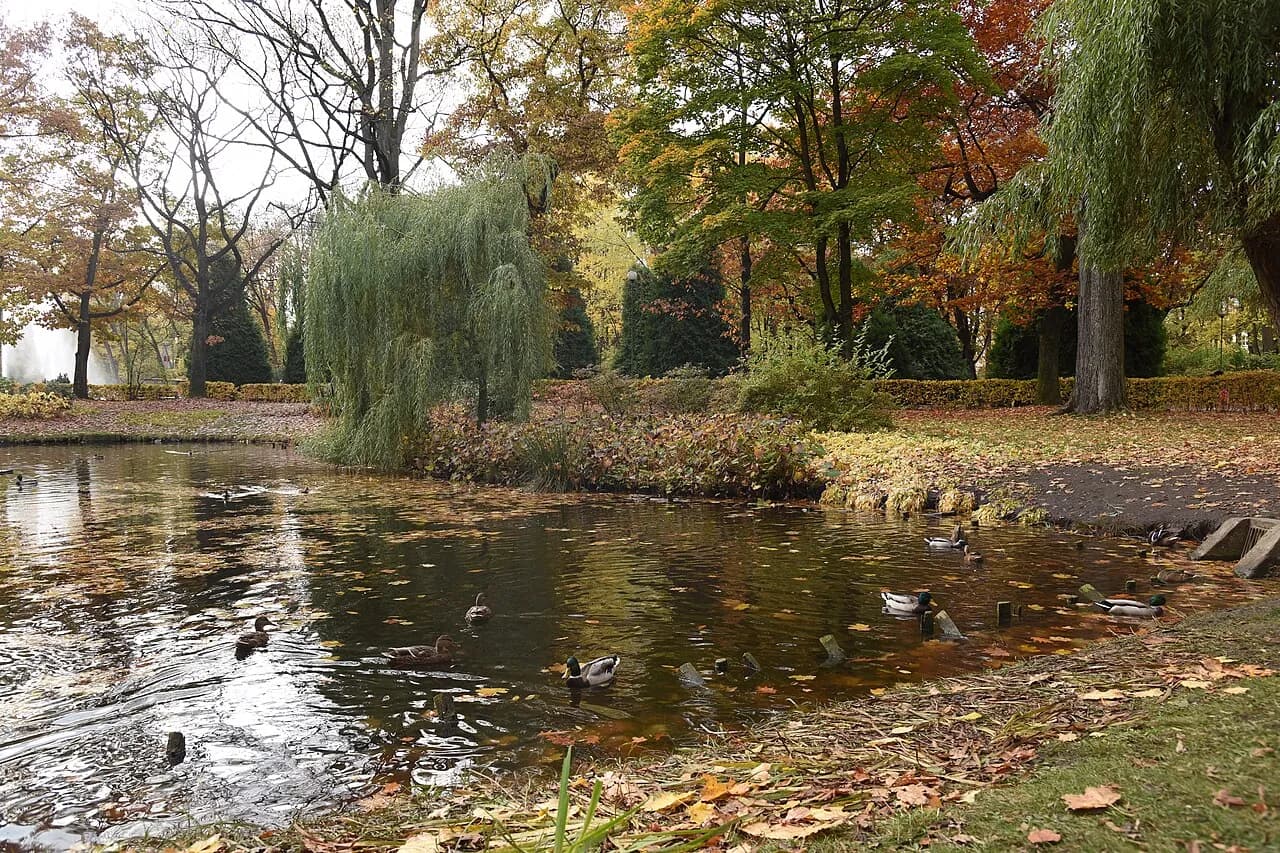
A beautiful green space connecting several of the city's most important landmarks and popular with local families throughout the year.
Białystok Puppet Theatre
One of Poland's leading cultural institutions and a symbol of the city's flourishing creative scene.
Why Białystok Matters Today
Białystok is far more than the administrative capital of Podlaskie.
It represents centuries of cooperation between different cultures, remarkable resilience in the face of adversity and an enduring commitment to education, creativity and community.
For visitors, the city offers an authentic experience that combines elegant architecture, fascinating history, excellent museums and easy access to some of Poland's most beautiful natural landscapes.
For residents, it remains a city that continues to evolve while honouring the people and events that shaped its identity.
Whether you are discovering Branicki Palace for the first time, enjoying coffee in Kościuszko Market Square or exploring the forests that surround the region, Białystok offers a deeper understanding of Poland's rich and diverse heritage.
A Story of Ambition, Diversity and Resilience
From its medieval origins and aristocratic splendour to its industrial success, multicultural traditions and remarkable post-war recovery, the city has continually adapted to changing times without losing sight of its heritage.
Today, Białystok stands proudly as the cultural, academic and economic heart of Podlasie. Rich in history yet confidently looking towards the future, it remains one of Poland's most rewarding cities to visit, explore and experience.